Image Credit: Images created in Book Brush using Pixabay photos. Screenshots taken by me, Allison Symes.
I’ve always thought a story works or fails based on how well the character grips a reader’s imagination. If you don’t care about the characters you read about, why should you read about what happens to them? For this reason, I’m firmly on the side of character in the character versus plot debate.
A great character can do a lot to help save a weak plot but a weak character will only let a great plot line down. So this is why I do like to outline my characters before I write my stories. I need to know enough about them to know I am interested in them (and then a reader is more likely to be too).
Sometimes a line or two is enough here. Sometimes I need to know more. In either case I use a simple template to work out what I think I am likely to need to know. Templates do come with my Scrivener fiction setting and I have used these but I often adapt them by taking out irrelevancies or adding in pertinent questions I know I will need.
Name a book or a story you love. Name the character(s) in it which stand out for you. Can you imagine any one other than those characters being the stars of those stories? Almost certainly not, which shows a great job has been done by the author, and it confirms how important getting the character portrayal right is but you can do so much to help yourself here.
Templates
These can be as detailed or not as you choose. It pays to figure out what you need to know before you draft a story.
Do you need to know the character? Do you need to know the setting in which your story is set which will then give you clues as to the characters likely to be in that setting?
Sometimes the setting can almost act like a character in its own right. One good example of this is Dickens’s portrayal of London. You can’t imagine those stories being set anyone else. His London can come across as sinister – Oliver Twist is a case in point here.
So what would I put in a template to help me create a character? I’d go for the following:-
What is your character’s main virtue?
What is your character’s main fault?
What does your character want most?
Why do they want this? (Even if the reason why is unreasonable from our viewpoint, it must seem reasonable to your character and readers need to be able to see that – they just don’t have to agree).
What or whom gets in their way of obtaining what they want?
What would your character be prepared to do to get what they want?
What would your character never do to get this (and then, of course, you make them face the prospect of having to do this – it ratchets up the tension beautifully here).
What could make your character change their mind about what they want and/or what they would do to get it?
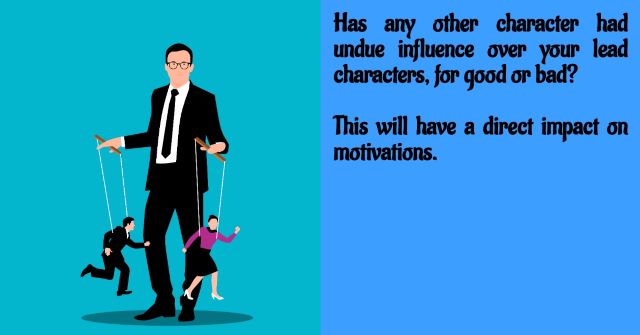
Has any other character had undue influence over them, for good or bad?
How does their setting impact on them? If they’re in a poor situation, that could be a powerful motivation for them wanting to do anything (or almost anything) to get out of that situation?
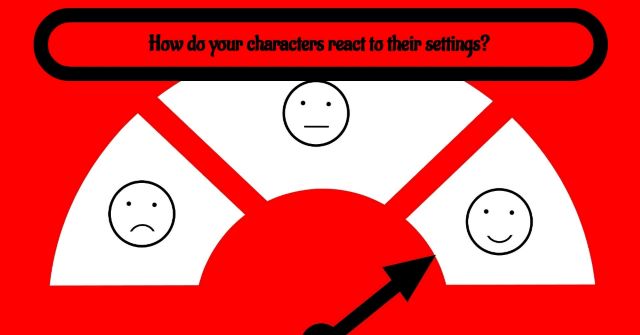
Just answering some of those questions will give you some pointers towards a story.
Setting Templates
Where you do want the setting to act almost as a character in its own right, the following template could prove useful.
Where is it located – this world or one you’ve invented?
What is its chief characteristic in terms of climate and weather? (That can impact on the story. If it is a cold setting, say, that will impact on your characters should they need to go on a journey. They’d certainly need to prepare properly).
What does your character(s) think about the setting and why? (Would they be prepared to defend it if it was threatened?).
Has the setting experienced anything like climate change and, if so, what have the changes been? (Good stories can come from how characters respond to this).
What difficulties, other than climate, could it cause your characters? Most settings will have hazards to them of some sort.
How could it help your characters? If water, say, is plentiful, that would help any characters going off on journeys if only because that would be one less thing to worry about.
What is its typical weather patterns and how can characters use them to best advantage (regardless of whether they’re the hero or villain, both types of character would factor this in).
Is it somewhere you’d want to live if you could or would you avoid it? Think about why your answer is the way it is because this may come into your character portrayal? If you’d never live there if you could, you can use some of those reasons to give your characters good reasons to want to leave.
If you could sum the setting up in one word, what would it be? If you would say, for example, dreary, you can then flesh out why that is. Story ideas are likely to come to you as you do that.
If your setting is on Earth, when in time are you showing it in your story? If it’s not on Earth, what aspects of it would compare to what we do know here? It helps readers get a clearer picture.
Advantages of Templates
The chief one, I think, is they can be (and should be) adapted to what you need to know. I often just use a line or two for each answer to a template question. I know I need enough to get started on a story and templates can be a great way in for this.
You don’t have to use them all the time.
You can use different questions in the templates for different stories. I love the flexibility.
Disadvantages of Templates
They can be formulaic which is why I suggest mix up the questions you set yourself here.
I also suggest don’t go into chapter and verse when you answer any questions unless you do know you need that. I like to give my imagination room to move so like to jot down a line or two only.
Regardless of that, not every writer likes or needs to use them. There will always be those writers who just write and see where this takes them. I know I find that hard to do. Both methods work and it is a question of working out what camp you’re in here.

Conclusion
Templates are a great aid. Even if you don’t really like planning stories or articles out (yes, templates can be used for non-fiction too), just answering one or two questions will spark your imagination so why not give them a go?
Related Posts:-
Read interviews with Chandler’s Ford writer Allison Symes: Part 1 and Part 2.
Read blog posts by Allison Symes published on Chandler’s Ford Today.
Never miss out on another blog post. Subscribe here:





Leave a Reply