 Image My Mother’s Diaries by Andy Vining 2026
Andy Vining shares his mother’s diaries in his new podcast. Listen to these beautiful stories on Spotify.
Andy Vining’s parents were John and Peggy (later known as Be Be).
May 1948
May began with the yard still lively from the puppies. All had been sold, though we kept Jesse, Ruffles and Mr Leggs for another week or two before they too would leave. There is always a bustle when pups are about — feeding bowls, straw, sharp little claws on stone — and though one is glad when good homes are found, the yard seems strangely empty once they go.
Margaret Haskell stayed the first night of the month, and there were callers — Marge and Doug, Norah and her family. Bet and Fred had secured their job at last, which was heartening news.
John turned his attention to the front lawn, turfing a worn patch that had suffered through the winter. He went over to Norman Cooper’s in Hursley while I wrote letters indoors and telephoned the Sinclairs, inviting them for Whitsun. There is always something to plan ahead for.
On the Monday we went into Winchester. A calf was taken to market — never an easy sight, watching it loaded and driven away, though such comings and goings are the rhythm of farming life. The heifers were turned into the Sanitorium field, where the grass was coming on steadily. They took to it well enough, heads down almost at once, testing the new pasture. The land was improving with the season. Rain fell in the night, which would freshen the grazing and help the vegetable rows along.

School dancing filled part of the week. The children were quick to learn, especially once the music began. At home there were smaller tasks — mending, a practice drive up the lane in the car, and tending to what needed doing in the house.
The weather held bright but with a sharp wind. John attended his Growmore meeting — fertiliser and yield are serious talk these days — and the nightingales sang in the hedgerows as dusk came down, their song carrying over the fields with surprising strength.
Trips to Eastleigh were fitted in between the work. At Norah’s she attempted to sell me a pair of red shoes, though they were too large. There was gardening to be done — always something to weed or set straight — and John attended a sale at Bar End in Winchester, looking over stock as farmers do, weighing up value with a practised eye.
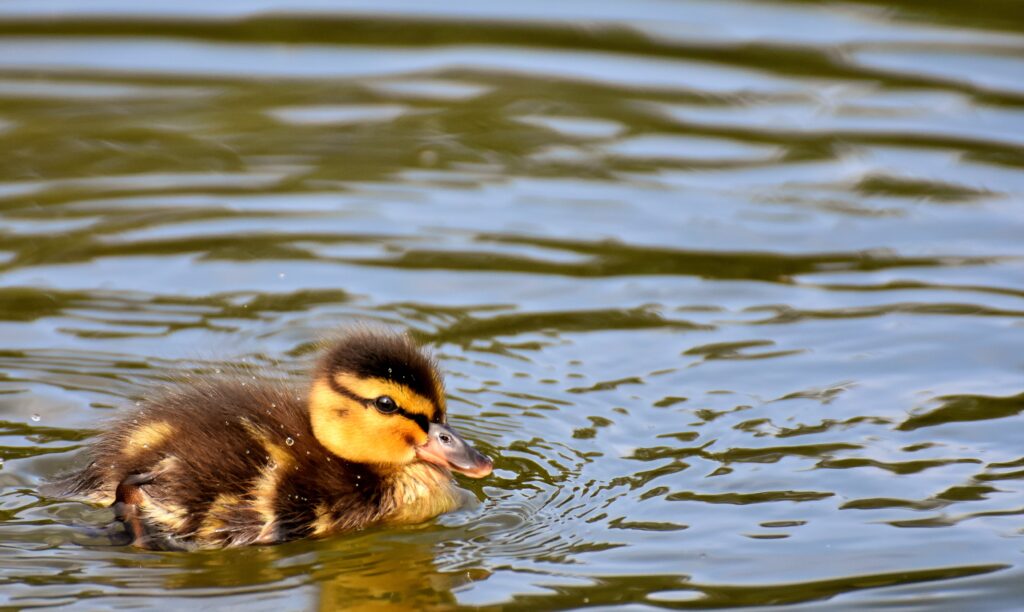
By the eighth the first hen’s eggs were beginning to chip. There is a distinct sound when a chick works its way free — a faint tapping and then a fracture line across the shell. On the ninth ten ducks hatched cleanly — ten out of ten — a most satisfactory result. They were moved carefully, and by the next day Janet shifted their run so they could reach the pond. Once there, they took to the water instinctively, tiny bodies skimming the surface while the older birds watched.
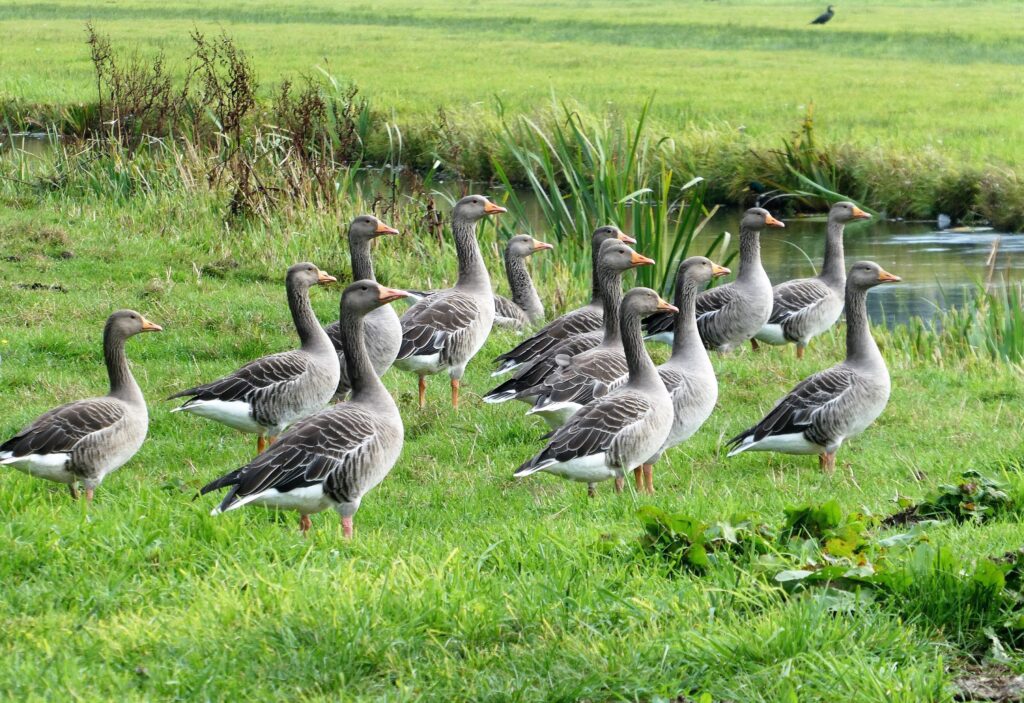
The geese were more troublesome. The first gosling hatched weakly and required help from the shell. Another struggled and was unfortunately trodden on by the hen — one of those losses one must accept in poultry keeping. One egg was kept warm on the kitchen stove to steady the hatch. By midweek the surviving gosling was stronger and placed beneath its mother at night. Later in the month two more hatched without assistance, sturdier for it, and on the eighteenth three more followed, though again with difficulty. Goose eggs seldom give up their young easily; they demand watchfulness.
Between these hatchings, life went on steadily. John attended Lodge; there were visits to Mother’s; children’s hair was washed; Marjory and Doug called in; darning was done late into the evening.
Mary Sinclair and the children arrived for the weekend, and conversation ran long into the night. John went to cricket; the children attended a party in Beechwood Crescent; we walked out towards Ramalley. The weather turned hot and windy, drying the ground quickly. The children grew sunburned with their play.
A goose egg “popped,” though two proved no good. Such disappointments are common enough, but still felt. On the eighteenth Mary and the children were taken to the station. Shopping was done, and a call made at Beechcroft. That same day all the children except Jennifer were unwell, which made for an anxious household.
The dogs were washed in warble mixture — never pleasant, but necessary — and Uncle came for the remaining pups. Jesse went then, and though it was expected, it left the place quieter.
On the twentieth there was a trip to Winchester for gas. Fred and Jesse called in for a pup, and it was another small farewell. One grows used to animals moving on, but there is always a moment’s pause when the gate closes behind them.
There were birthday gatherings — Judith’s party at the Summer House — and more ducklings hatched later in the month, eight in one day. Tea was taken at the Wests, and we walked home through rain that at last came steadily. The soil would welcome it.
Cold weather followed briefly. Andrew was unwell and remained home for the morning. The vegetable garden was admired by Mr and Mrs Beeton — carrots carefully weeded, rows straight and promising. Lovely rain fell again, soaking in rather than running off.
Bet cleaned out the kitchen cupboard one day. Mr and Mrs Peck stayed for tea and conversation. Clothes were ordered from Daniels for the children. There was more dancing at school and a muslin blouse cut out for Jennifer.
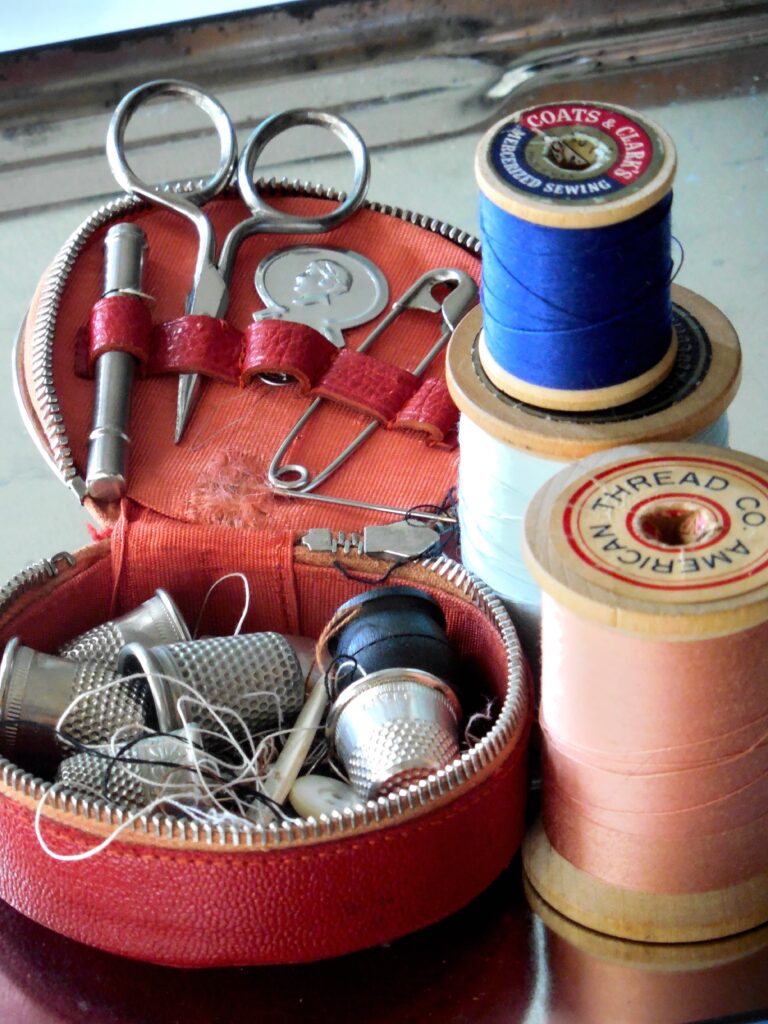
The twenty-ninth was wet throughout, keeping most work indoors. Needlework was done, and a play was listened to on the wireless. The following day Mrs St John sent a basket of plants, and the evening was spent setting them into the soil. John tidied the bank in the front garden, shaping it neatly.
By the month’s close rain fell heavily in the morning, though washing was done regardless. I drove up the village with John, took Heather to Beechcroft, and later we went into Winchester to see The Best Years of Our Lives, which we both thought a very good film.
The month ended as it had been throughout — steady work, young stock arriving, some losses, some successes, grass coming on, rain at last for the land, and the constant tending that farming requires. Ducks on the pond, goslings under watch, heifers settled into fresh pasture, vegetables pushing through the soil.
May was not dramatic, but it was full — and the farm moved forward, as it always must.
June 1948
June opened unsettled, with showers passing over and the ground never quite deciding whether to dry. Jennifer and Janet went off to the Empire to see Dick Barton, Special Agent, full of excitement, while Mrs Beeton brought another bunch of pinks. I set some on Dad’s grave, which always feels right when the flowers are fresh. Westbrook came for pullets — another small shifting of stock from yard to elsewhere.
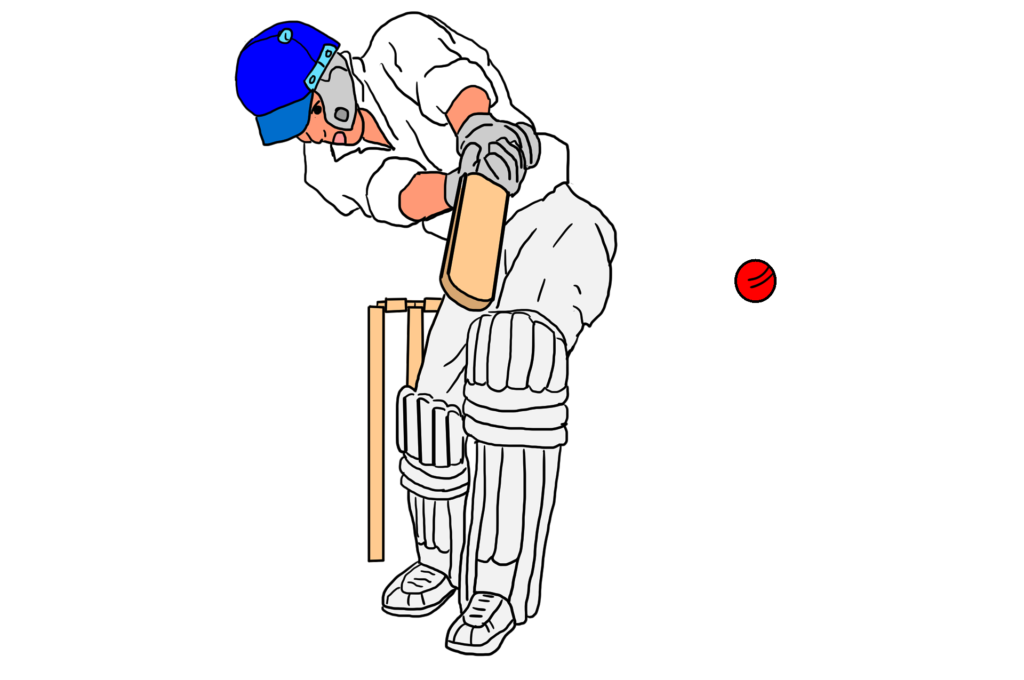
John went to the rent audit on the second, and then on to the cricket — Australia v Hampshire — the whole day given over to it. I went to school and taught Chris and Peter a rather funny dance which pleased them enormously. At home the children were busy picking gooseberries for bottling. The bushes were heavy enough this year, and there is satisfaction in seeing jars line up in readiness for winter.
The weather turned rotten again by the third. The Australians were all out for 117 in their first innings, Hampshire 195, though rain stopped play in the afternoon. It was the sort of damp day when washing never quite dries and boots gather mud before one reaches the gate.
School dancing continued steadily, and I had my hair done on the fourth — small order restored amidst the damp. On Saturday we went to the Eastleigh Police Sports and I have never been so cold in my life; June can deceive one so easily.
 Rain persisted into Sunday. John started digging in the front garden but the ground was too wet to work properly. Uncle Fred came, and Mr and Mrs Roberts, and Mrs Manning as well. That night torrents of rain and gales battered through. One lies awake in such weather listening for loose slates and wondering how the fields will stand it.
By Monday I went to Southampton with Betty and bought myself a new blue costume — quite a good shade, and cheering after so much grey sky. I altered it the next day and spent the evening darning, as usual. Margaret and Pat brought their pony up and rode him in the hockey field; the sight of a pony on short grass always lifts the spirits.
There were trips to Eastleigh — Andrew had new trousers and a pullover, John a mac. School in the afternoon, sewing in the evening. And at home, lettuce planted out and the lawn mown whenever weather allowed.
Janet’s party brought a great bustle. I did a deal of cooking — blancmanges, jellies, everything that would please children. The Wests and the Pecks came by. On the eleventh the party itself was hectic but happy. Janet was given a bicycle and was thrilled beyond measure. I wore my new striped “New Look” frock. Betty came for the whole day to help, which made all the difference.

Between visitors and outings, the farm pressed on. On the thirteenth, with marvellous weather at last, bantam eggs were put under a broody hen. One must seize the right day for setting them. The following day Bet and I took the children to Mudeford — Mother kindly kept Heather — and though the car broke down, we managed a good time. Frank Bower and family called from Wokingham, and a man came to tune the piano. John had his doctor’s examination — all well, thank goodness.
Haymaking began in earnest by the sixteenth. John was busy picking up hay from the front field, working against the sky. On the seventeenth we were grateful that the hay had been got in just in time, for rain came again in the night. There is always a race with hay — sun against cloud, dry grass against gathering damp. To get it under cover before the rain is a victory in itself.
The eighteenth brought a furniture sale at “Roughs” on Hook Road — thirteen wine glasses for £1, a good buy. At school I altered the boys’ dance for the girls, as one boy was going away. There are always adjustments to be made.
A broody hen was sent over to Mrs Richardson on the nineteenth. I went to Southampton shopping while the others attended the show on the Common. Two blouses for myself and two shirts for John. It was cold and wet again — this month refuses to settle.
Sunday the twentieth was our “At Home” day. Bet and Fred came, Doug, Mr and Mrs Lewis and Jean. In the midst of it the cows got onto the lane at Flexford — nothing stirs a household quicker than loose cattle. The front lawn was cut, and we had new peas and potatoes with cold tongue for dinner. Mother and Bella called in the evening.
Rain again on the twenty-first. Bet’s leg was bad so she sat and did silver. We went to George’s birthday party — quite a gathering — and missed poor old Pop.

More shopping in Southampton on the twenty-second — a new mac and shoes — and at last I finished the darning that had accumulated.
The twenty-third was a grand day: John and I left at eight in the morning for the Royal Counties Show with Norman and Kath Cooper. A fine day all round, and Norman won the prize for best Jersey herd. There is nothing quite like seeing good stock judged well — a fine line of Jerseys with their soft brown coats and alert heads, the result of careful breeding and feeding.
Back home, strawberry jam was made — seven pounds of it — the scent of it filling the kitchen. Girls’ costumes were finished for their play. Heather and I walked to Ramalley. The Swedes, however, had fly on them — not a good sign and something to watch.
On the twenty-sixth little Willie bulled his first cow — a milestone of sorts in the cattle yard. Nora and family called in, and Eric and Phyllis too. Chicks were delivered to Mrs South.
The weather turned cooler with a nasty wind by the twenty-seventh. Darning was finished for the week. Les and Joan Beeton came in for chicks and brought raspberries with them — fair exchange.
Then Sooty had kittens on the twenty-eighth. Washing dried early in the day, but by evening a bad thunderstorm broke. The bantam mother left her eggs in the disturbance and I fear they may be spoilt. John and the men later put up wire fencing around the pond — safety for both children and stock.
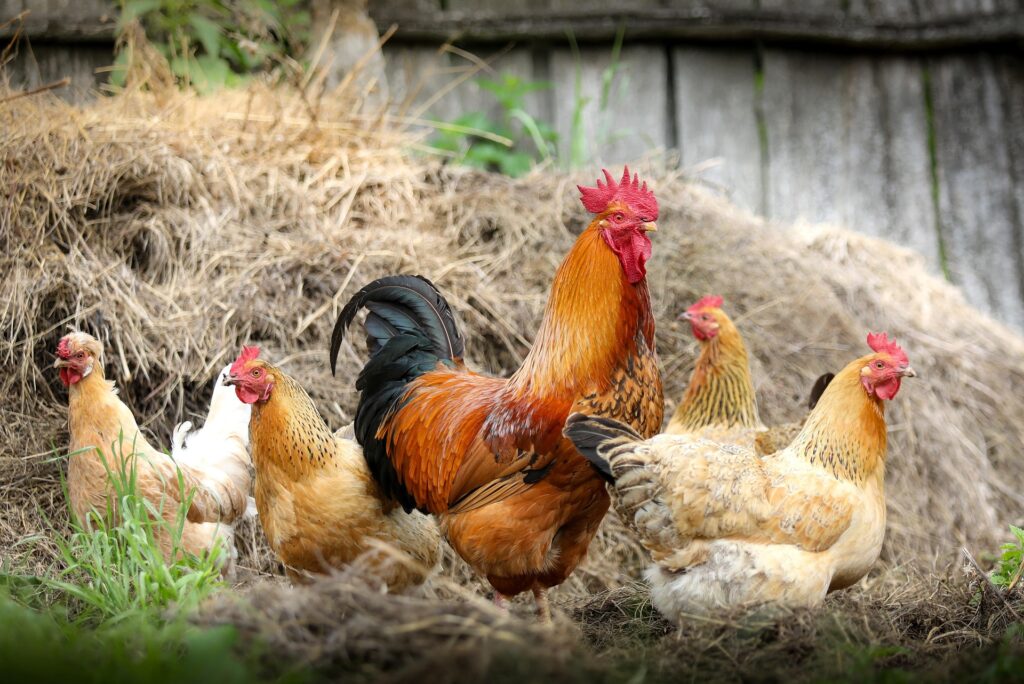 Four broody hens were set ready for young chicks due on Friday. There is always something incubating somewhere on a farm in June — eggs, plans, hopes for yield.
By the last day of the month Mother and Bella came for tea. The front lawn was cut again. Sooty’s kittens were found in the stable — three black, one tabby, and one black and white — tucked into straw where the smell of hay and warm dust lingered.
June has been unsettled in weather but full in work — hay safely gathered, cows watched, calves growing, broodies set, chicks delivered, stock judged, jam boiled, fences mended. The farm breathes through such months, half at the mercy of sky and half governed by steady hands.
Related posts:
 History of Hiltonbury Farmhouse
 Oh Happy Days! Fond Christmas Memories in Chandler’s Ford 1950s – 1960s
 A Special Visit to “Hiltonbury Farmhouse”
 Andy Vining’s Podcast: My Mother’s Diaries 1948 -1976: Episode 2 – January to February 1948
Andy Vining’s Podcast: My Mother’s Diaries 1948 -1976: Episode 3 — March and April 1948
Andy Vining’s Podcast: My Mother’s Diaries 1948 -1976: Episode 2 – January to February 1948
Andy Vining’s Podcast: My Mother’s Diaries 1948 -1976: Episode 3 — March and April 1948

Leave a Reply