
Andy Vining shares his mother’s diaries in his new podcast. Listen to these beautiful stories on Spotify.
Andy Vining’s parents were John and Peggy (later known as Be Be).
A New Decade Begins at Hiltonbury Farm
January and February 1950
The year 1950 began quietly at Hiltonbury Farm. There were no great celebrations to mark the arrival of a new decade, just illness, winter weather and the familiar work of keeping a busy family farm running.
My father, John, was feeling “quite rotten” during the first few days of January, but farm work could not stop simply because somebody was unwell.
On Sunday, 1 January, Frank Dean kindly drove us to collect Mother from Betty’s home near London. We enjoyed a proper sit-down lunch there before returning to Hiltonbury. There had been plans to attend Jean Thompson’s birthday party on Baddesley Road, but we arrived home too late.
Whatever the occasion, the cows still had to be milked twice a day.

Milking formed the beginning and end of every day at Hiltonbury. In those days it was still largely done by hand, accompanied by the sound of metal buckets being placed on the concrete floor of the cowshed. During winter, the warmth of the shed was a welcome contrast to the cold, damp air outside.
Each morning, the milk lorry arrived to collect the heavy churns. As a small boy, I was occasionally allowed to climb into the cab and ride as far as Flexford. The lorry was on its way to Gradidges at Knightwood, but I would get out at the Flexford gate and walk home across the moors. To me, it was a great adventure.
The calves also required constant attention. Each had to be checked to make certain it was feeding properly and remaining healthy. They represented the future of our Jersey herd, so even the smallest sign of trouble mattered.
January’s weather was mostly damp and unsettled. The farmyard quickly turned to mud, boots never stayed clean for long and there was always something to wipe down or dry.
The poultry disliked the wet ground, but their houses still had to be cleaned and the eggs gathered every day. The pigs were less concerned about the weather. Rain, frost or wind made little difference to them, provided their food arrived when they expected it.
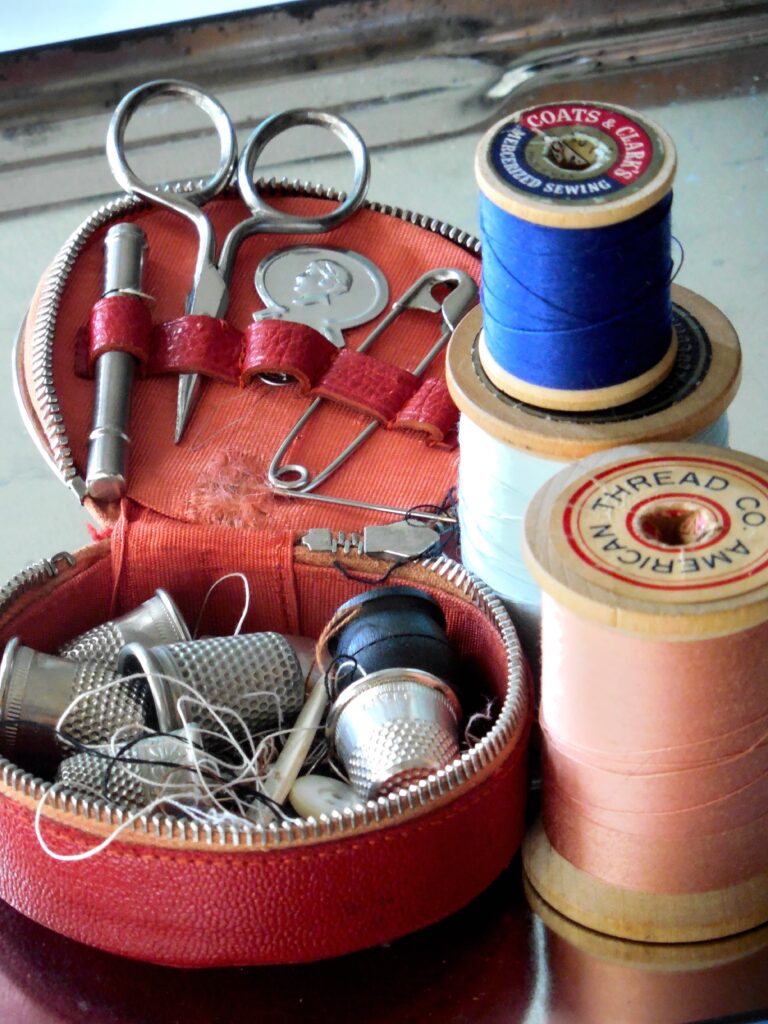
Inside the farmhouse, Mother faced another long list of jobs. There was washing left over from Christmas, children’s clothes to organise and a seemingly endless amount of mending. Socks were darned, jumpers repaired and small tears dealt with before they became larger ones.
There were, however, some welcome breaks from the daily routine. An evening at King’s Court provided a change of scene, while the Growmore Club Dinner at the Meadowbank Hotel on Saturday, 14 January, was a particularly enjoyable occasion. Such outings were important during the dark winter months, offering good company and a few hours away from the demands of the farm.
Yet everyone always returned to the same steady rhythm: milking, feeding, cleaning and maintaining the household.
The farm appeared almost to be waiting. It was not asleep, but holding itself ready for the busier months ahead.

Illness, Improvements and Winter Gales
February began with little change. On Wednesday, 1 February, my sister Janet was still in bed and Mother was also feeling poorly. Nevertheless, the animals had to be cared for and the household kept going.
Work also began on improving the farmhouse. Mr South arrived to carry out cement work, and new windows were fitted in the kitchen and dining room. The work brought dust, noise and disruption, but the new windows made the rooms feel lighter and gave a welcome sense of progress.
Outside, the weather became even more difficult. There were days of steady rain, followed by strong gales. One particularly unpleasant day brought wind, hail and rain together.
Even then, the cows still had to be brought in and milked. There was something reassuring about standing inside the cowshed, protected from the worst of the storm, while carrying out work that generations of farmers had done before us.
The farm was also looking towards the future. A special pedigree Jersey bull calf arrived from Norman, bred from highly regarded Hursley stock. The arrival of a valuable calf was an important event. It was not simply another animal to feed; it offered the possibility of improving and strengthening the Hiltonbury herd.
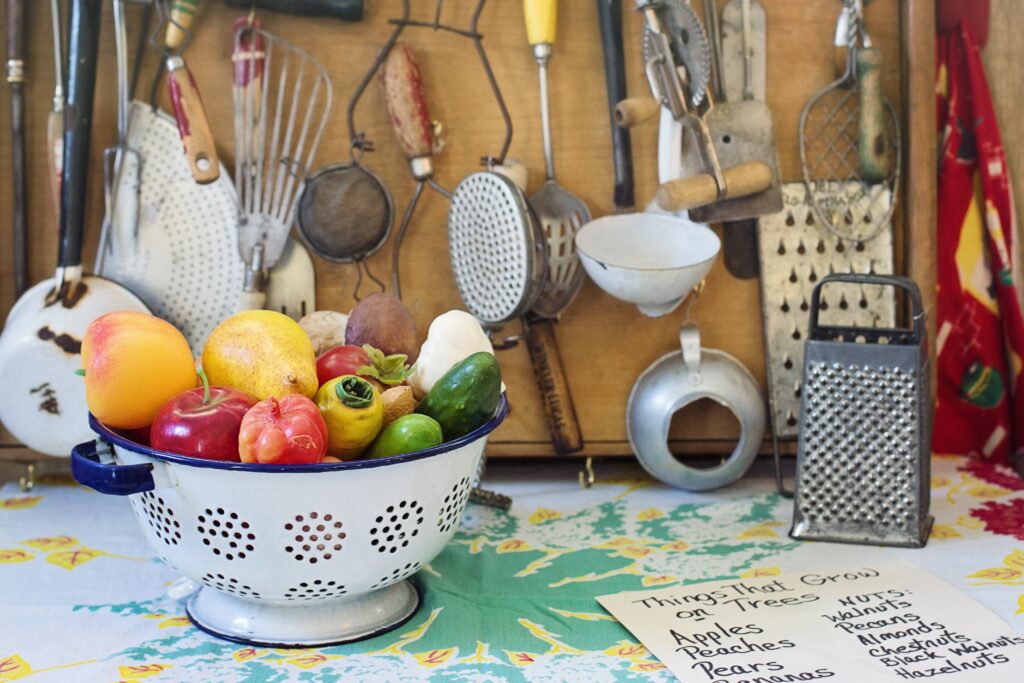
Evenings in the farmhouse were spent cooking, cleaning, sewing and completing the day’s remaining jobs. Mother often worked on her needlework beneath the light of a Tilley lamp. This was not always ordinary mending. Sometimes she made something new, working quietly as the house settled for the night.
There were occasional visits to Beechcroft, while neighbours also called at Hiltonbury. Visits were rarely long because everyone had work waiting, but they provided an opportunity to exchange village news and hear who was well—or unwell.
The kitchen remained the heart of the farmhouse. When the weather made outdoor drying impossible, half-dry washing was brought inside and hung on a rack above the range. The kettle seemed always to be boiling, while something cooked slowly beside it.
The warm kitchen, with clothes drying and the log fire burning, offered comfort during the wet winter days, although it also created yet more work.
A Family Birthday
One of February’s happiest occasions was Jennifer’s birthday on Monday, 6 February.

A birthday tea was prepared, filling the farmhouse with children, conversation, plates of food and laughter. There was plenty of work beforehand—baking, arranging the table and ensuring everything was ready—but Mother felt it was worthwhile.
These were not grand occasions, but they became treasured family memories precisely because they brought everyone together.
Later in the month, the Growmore Mixed Quiz in Eastleigh provided another cheerful evening away from the farm, with plenty of guessing, laughter and friendly competition.
By the end of February, there were the smallest signs that winter might eventually loosen its grip. The evenings remained light for a little longer, and occasionally the air felt slightly softer.
It was not yet spring, but change was on its way.
So the new decade began at Hiltonbury Farm without fanfare: through cold mornings, muddy yards, warm kitchens and the twice-daily milking of the cows.
Looking back, it was not one particular event that defined those first two months of 1950. It was the determination to keep going through illness, difficult weather and the demands of everyday life.
At Hiltonbury Farm, the year found its beginning not in grand celebrations, but in the quiet and steady business of living.
Related posts:
 Farming in the Winter and Christmas at Hiltonbury Farm
 Andy Vining’s Podcast: My Mother’s Diaries 1948 – 1976: Episode 1 — Introduction
 Andy Vining’s Podcast: My Mother’s Diaries 1948 -1976: Episode 6 — September and October 1948
Andy Vining’s Podcast: My Mother’s Diaries 1948 – 1976: Episode 10 — May and June 1949
Andy Vining’s Podcast: My Mother’s Diaries 1948 – 1976: Episode 12 — September and October 1949
Andy Vining’s Podcast: My Mother’s Diaries 1948 -1976: Episode 6 — September and October 1948
Andy Vining’s Podcast: My Mother’s Diaries 1948 – 1976: Episode 10 — May and June 1949
Andy Vining’s Podcast: My Mother’s Diaries 1948 – 1976: Episode 12 — September and October 1949

Leave a Reply