Looking back through the September gardening tips I’ve written over the years, I think this year our gardens are likely to be looking rather different. After such a hot, dry summer, many lawns will have turned brown and borders may be looking tired. The good news is that, with some autumn rain, most lawns should begin to recover and green up surprisingly quickly.
Resist the temptation to apply an autumn lawn feed until the grass has started to grow again. Feeding a dormant, drought-stressed lawn won’t do it any favours, so it may be better to wait until October if the dry weather continues.
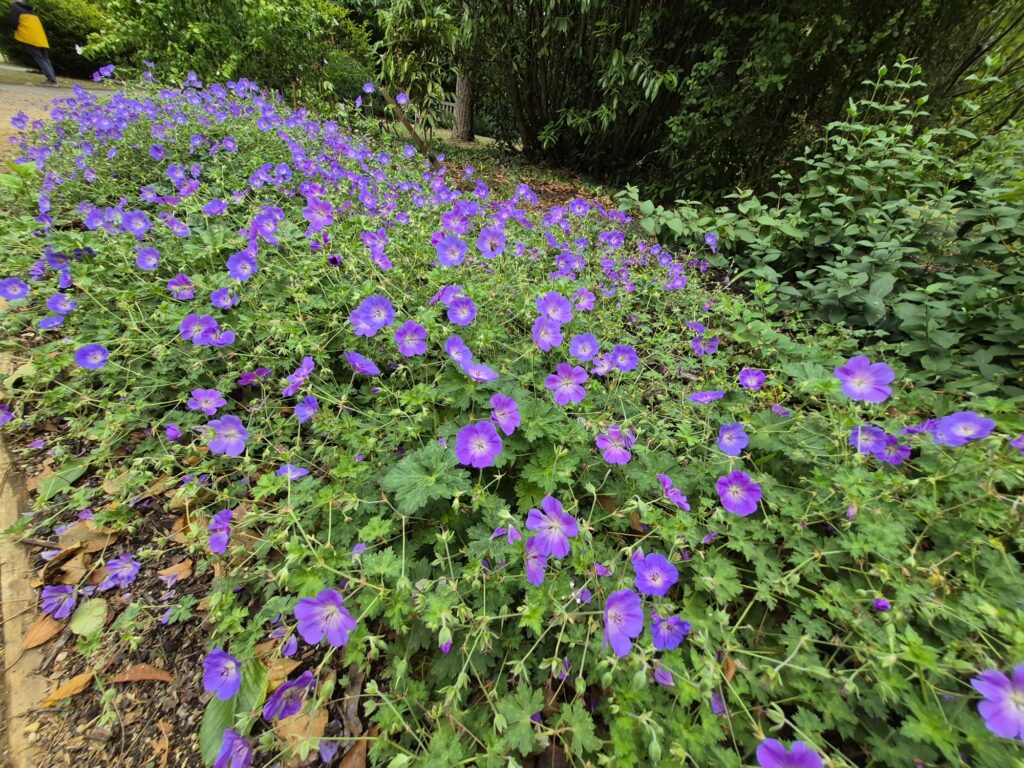
Take some time to observe how your garden has coped with this summer’s conditions. Which plants have thrived despite the heat, and which have struggled? This can be invaluable information when planning future planting. If you’re looking to add new plants this autumn, consider choosing varieties that are more tolerant of hotter, drier conditions, helping to make your garden more resilient as our climate continues to change.
Don’t be too quick to remove shrubs and perennials that have lost their leaves or appear to have died. Many plants protect themselves during periods of drought by shedding foliage or dying back. Give them a thorough watering if conditions remain dry, apply a generous mulch, and wait until next spring before deciding whether they need replacing. You may be pleasantly surprised by their recovery.
Autumn is also the perfect time to mulch your borders. Once the soil is moist, apply a layer of well-rotted compost, leaf mould or bark around your plants. This will help retain moisture, improve the soil structure and suppress weeds, while gradually feeding the soil as it breaks down.
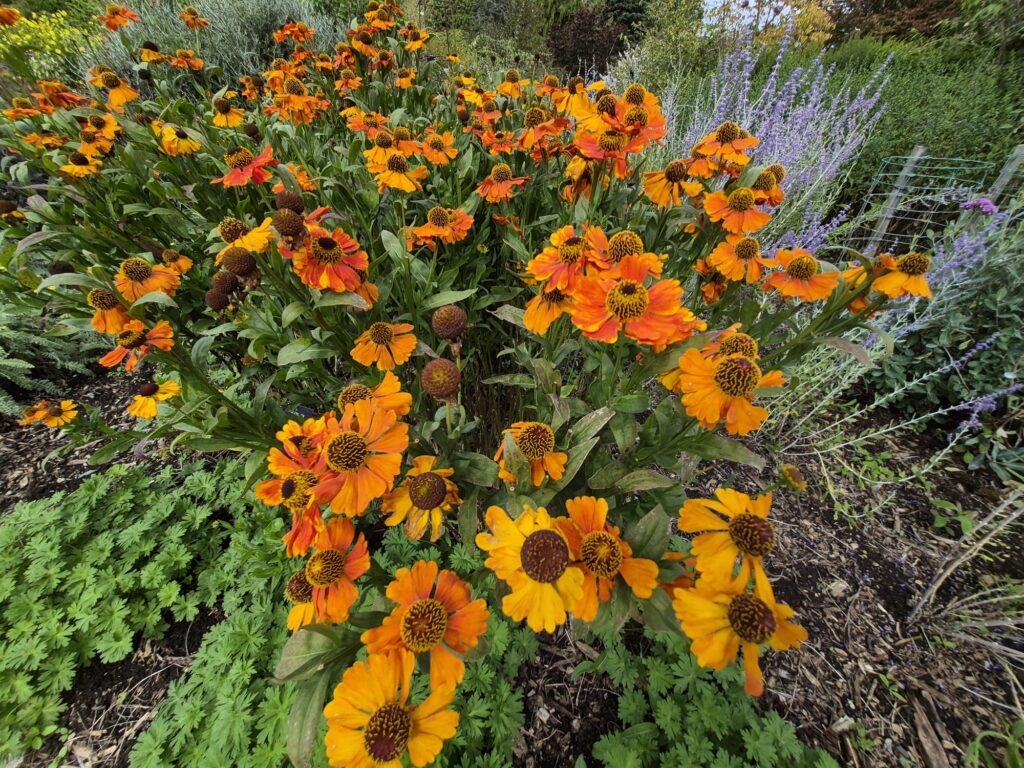
Finally, think about how you can make the most of every drop of water. Install or increase your rainwater storage with water butts, direct downpipes into storage where possible, and reuse household water (where appropriate) for ornamental plants. Small changes now can make a big difference during future dry spells.
September is a month of transition. As temperatures begin to cool and rainfall hopefully returns, it’s an excellent time to restore your garden after the summer, plant for the future, and prepare for another growing season.

Leave a Reply