
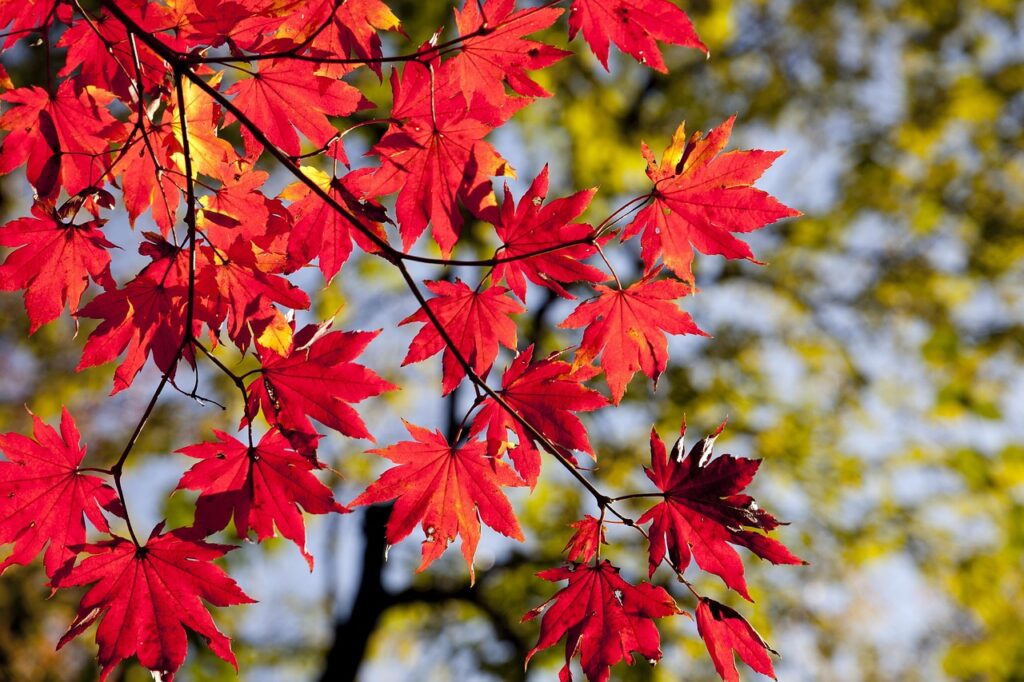
- Clear fallen leaves from lawns and paths, and remove them from flower beds if they form a thick layer. A light covering can be left for worms to break down and incorporate into the soil.
- Tidy climbers and wall shrubs by tying in long, whippy shoots to protect them from strong winds.
- Prune roses to reduce wind rock and prevent damage to their roots. November is also a good time to prune most deciduous trees. However, many deciduous ornamental grasses are best left standing until spring.
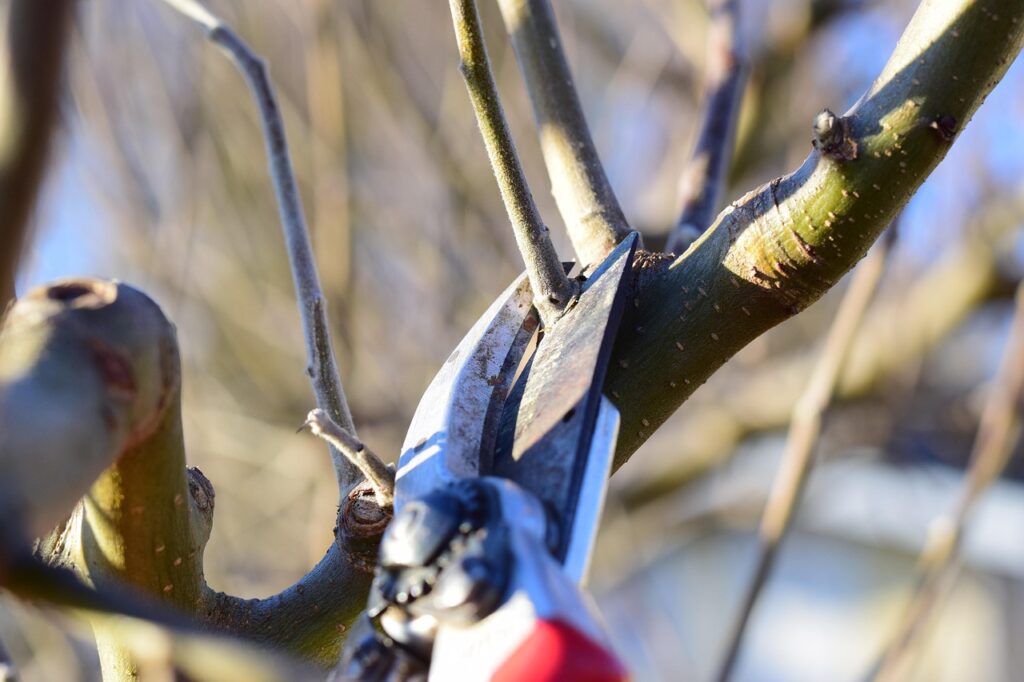
- Prune grapevines after the leaves have fallen, but before the end of December, to avoid excessive sap loss, known as ‘bleeding’.
- Plant bare-root plants while the soil is still workable. Plant them promptly to prevent the roots from drying out. If conditions aren’t suitable, they can be temporarily heeled into the soil until you’re ready to plant them properly.
- Plant tulip bulbs once your other spring bulbs are in the ground. Planting them later in the season can help reduce the risk of tulip blight, a fungal disease.
- Protect overwintering brassicas with netting to prevent pigeons from damaging your crops.
- Plant garlic and shallots if you haven’t already done so.
- Lift and divide rhubarb crowns to rejuvenate established plants and create new ones.
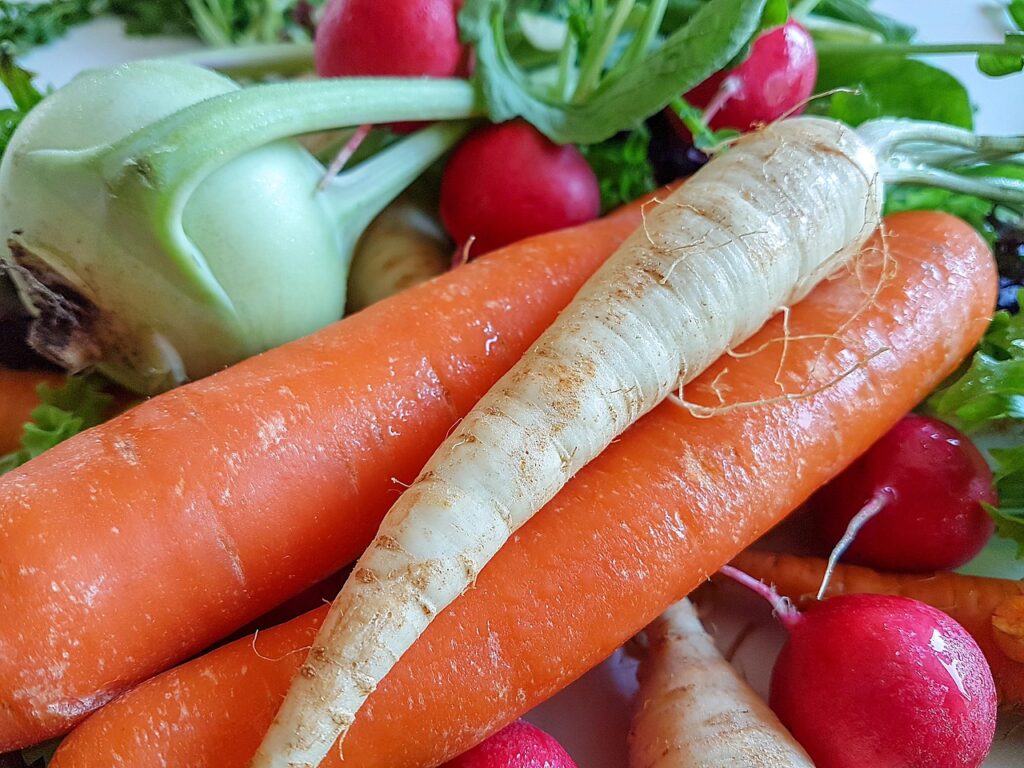
- Harvest parsnips after the first frosts, when their flavour is often sweeter.
- Sow peas and broad beans during the first week of November, traditionally considered a good time for these early sowings.
- Begin winter pruning of apple and pear trees.
- Lay turf while the ground remains workable and is not frozen. Avoid walking on lawns during wet weather, as this can compact the soil and damage the grass.
 Plant trees, shrubs and perennials while the soil is still warm. Autumn planting gives them time to establish their roots before spring. Collect fallen leaves and make leaf mould – an excellent, peat-free soil improver. Leave some leaves under hedges and shrubs to provide shelter for wildlife.


 Prune early-summer flowering shrubs, such as Philadelphus, once they have finished flowering. Cut back flowered growth to a strong lower shoot and thin out up to a fifth of old, woody stems.


